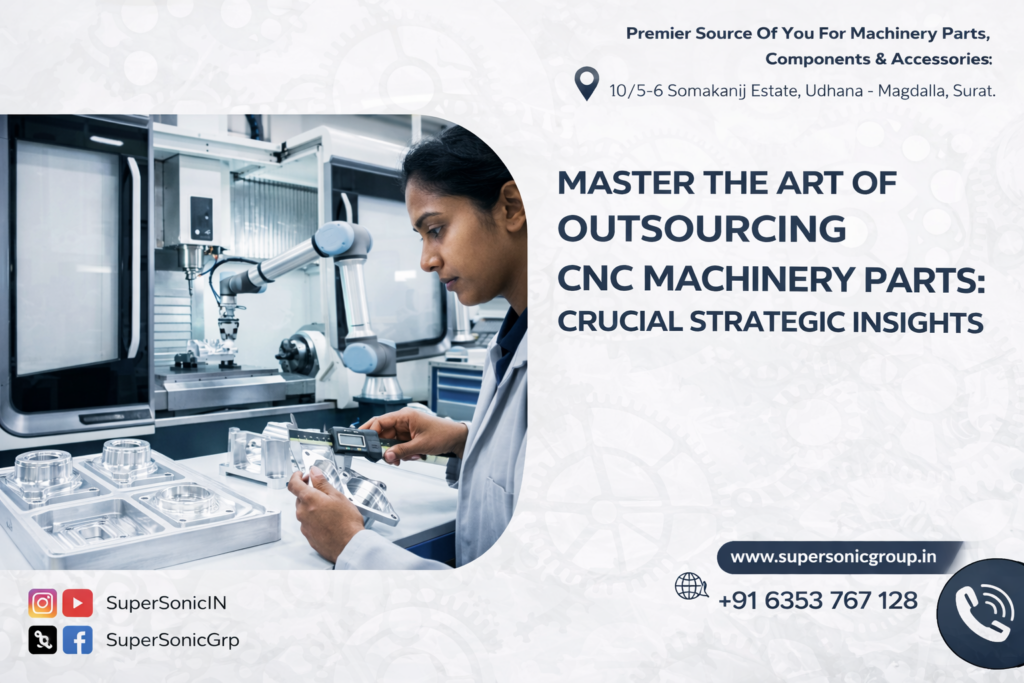
Businesses continually seek innovative paths to amplify efficiency and curtail operational expenditures. Consequently, many leaders now explore outsourcing solutions for specialized manufacturing needs. They strategically offload certain production tasks. This proactive approach allows companies to concentrate on core competencies. Moreover, it leverages external expertise. Thoughtful consideration is paramount. You must scrutinize various factors before you commit. This comprehensive guide unveils essential insights for successfully outsourcing CNC Machinery Parts. It helps you navigate this intricate landscape. Furthermore, it prepares you to make informed, powerful decisions.
Outsourcing offers compelling advantages. It grants immediate access to advanced technology. You do not incur substantial upfront investment. Furthermore, it provides scalability; adapt production volumes as demand fluctuates. This flexibility is vital. Many companies gain significant cost savings. They reduce labor costs and overhead. Thus, they boost profitability. It also mitigates risk. Spread your production across multiple vendors. This protects against single-point failures. Consider market shifts. Your business remains agile. Ultimately, outsourcing drives competitive superiority. It frees up internal resources. You can then focus on innovation. This strategic move strengthens your market position. You achieve more with less. It's a smart business decision.
Leverage global manufacturing hubs. They often possess specialized skills. They also offer competitive pricing. For instance, some regions excel in precision machining. They provide high-quality output. This global reach broadens your supplier base. It reduces reliance on local markets. Similarly, it fosters quicker turnaround times. Many overseas partners operate 24/7. This accelerates your project timelines. Consequently, you bring products to market faster. This agility creates a decisive market advantage. You tap into diverse industrial capabilities. They complement your in-house operations. Therefore, you build a more resilient supply chain. This move enhances overall operational robustness.
Selecting the right outsourcing partner demands meticulous evaluation. First, assess their technical capabilities. Do they possess the necessary equipment? Verify their capacity for volume production. Next, examine their track record. Seek references. Inquire about past projects. Furthermore, evaluate their quality management systems. ISO certifications demonstrate commitment. Review their communication protocols. Clear, timely updates are indispensable. Consider their financial stability. A secure partner ensures long-term reliability. Moreover, cultural alignment matters. A shared understanding simplifies collaboration. You forge a strong, productive relationship. Choose wisely; your success depends on it.
Investigate potential vendors thoroughly. Check their market standing. What do industry peers say? Scrutinize their portfolio. Do they handle complex projects effectively? Evaluate their expertise with various materials. This includes metals, plastics, and composites. Their proficiency directly impacts part quality. Review their precision capabilities. Can they meet tight tolerances? Precision is paramount for functional parts. You avoid costly rework. Moreover, assess their design for manufacturability (DFM) services. An excellent partner identifies potential issues early. They propose optimized solutions. This proactive approach saves time and money. Always prioritize vendors demonstrating clear technical superiority. For example, understanding a company like Super Sonic and its operational philosophy provides valuable context. They often showcase their capabilities directly.
Exact technical specifications are non-negotiable. Provide detailed CAD files. Include material specifications. Specify critical tolerances. Clear drawings prevent misunderstandings. Moreover, establish stringent quality control measures. Define acceptance criteria explicitly. Implement regular inspection protocols. This might involve first-article inspections. Or it could require in-process checks. Furthermore, agree on final inspection procedures. Who performs these checks? Where do they occur? Document everything meticulously. This creates accountability. It ensures consistent part quality. Consequently, you receive components meeting your exact requirements. Never compromise on precision.
Develop a comprehensive quality assurance plan. Share it with your outsourcing partner. This document details every quality checkpoint. It outlines testing methodologies. It specifies measurement tools. Crucially, define a clear non-conformance process. What happens if parts fail inspection? Who bears the cost? Establish corrective action procedures. This addresses root causes quickly. Regular audits of the partner's facility also prove beneficial. These site visits verify compliance. They reinforce quality standards. Many reputable manufacturers showcase their commitment to quality. Their participation in exhibitions often highlights their advanced quality systems. Such proactive measures protect your brand reputation. They guarantee product integrity.
Effective communication forms the bedrock of successful outsourcing partnerships. Establish clear channels from the outset. Designate primary contacts on both sides. Define preferred communication methods. Email, video calls, or project management software all serve specific needs. Agree on response times. Prompt replies prevent delays. Schedule regular progress meetings. These check-ins keep projects on track. They facilitate early problem resolution. Moreover, overcome language barriers proactively. Use technical translators if necessary. Clear, concise communication minimizes errors. It builds mutual trust. It truly acts as your project's lifeline. Therefore, prioritize transparency.
Implement a centralized document management system. Share all relevant files securely. This includes design revisions and feedback. Version control is critical. Everyone accesses the latest information. Utilize project management tools. They track tasks, deadlines, and responsibilities. This transparency keeps everyone aligned. Regular feedback loops are indispensable. Provide constructive criticism promptly. Also, acknowledge good performance. This fosters a collaborative environment. It encourages continuous improvement. A well-oiled communication system reduces friction. It accelerates decision-making. Thus, your project progresses smoothly. Never underestimate its power.
A watertight contract protects your interests. Draft a comprehensive agreement. Clearly define scope of work. Specify deliverables and timelines. Include payment terms and schedules. Crucially, address intellectual property (IP) rights explicitly. Who owns the designs? Who owns the tooling? Implement Non-Disclosure Agreements (NDAs). These legally bind your partner to secrecy. Furthermore, outline dispute resolution mechanisms. Arbitration or mediation can prevent costly litigation. Consider termination clauses. What conditions trigger contract termination? A robust legal framework provides security. It fosters a safe working relationship. Consult legal experts for assistance. They ensure complete protection.
Protecting your intellectual property is paramount. Your designs, processes, and trade secrets represent immense value. Therefore, clearly delineate ownership in your contract. Specify that all intellectual property developed during the project belongs to you. Do not leave room for ambiguity. Furthermore, ensure your partner's employees sign individual confidentiality agreements. This adds another layer of protection. Audit their data security practices. How do they store your files? Are their systems secure? Regular reviews help maintain vigilance. Remember, a strong legal foundation deters misuse. It preserves your competitive edge. Prioritize this crucial aspect.
Logistics demand careful planning. Determine shipping methods. Air freight offers speed but costs more. Sea freight provides economy but takes longer. Choose based on urgency and budget. Clearly define packaging requirements. Proper packaging prevents damage during transit. Identify customs duties and import taxes. These can significantly impact overall cost. Furthermore, establish clear delivery schedules. Monitor shipments diligently. Track progress from dispatch to arrival. Plan for contingency. What happens if delays occur? A robust logistics strategy ensures timely delivery. It maintains your production schedule. Optimize your supply chain. It saves you money and time.
Coordinate inventory levels effectively. Avoid overstocking; it ties up capital. Prevent understocking; it halts production. Implement Just-In-Time (JIT) principles where feasible. This minimizes inventory holding costs. Work closely with your logistics provider. They offer expertise in international shipping. They navigate complex regulations. Consider buffer stock for critical CNC Machinery Parts. This safeguards against unforeseen disruptions. Diversify shipping routes. This reduces reliance on single channels. A well-managed supply chain reduces lead times. It enhances responsiveness to market changes. Efficient logistics fuel your business growth.
Evaluate costs beyond the sticker price. Calculate total cost of ownership. This includes tooling, shipping, and quality control. Factor in potential communication overhead. Account for currency exchange fluctuations. Seek transparent pricing from vendors. Understand their payment terms. Compare multiple quotes diligently. However, do not choose solely on price. Focus on value. A slightly higher price might deliver superior quality. It could offer greater reliability. It may include better customer service. Consider the long-term benefits. Investing in a reliable partner pays dividends. Value trumps low cost. Make financially sound decisions.
Develop a detailed budget. Allocate funds for all phases of the outsourcing project. Track expenses meticulously. Identify areas for potential savings. Negotiate favorable payment terms. This improves your cash flow. Consider performance-based incentives for your partner. This motivates them to exceed expectations. Regularly review financial performance. Are you achieving anticipated savings? Are you realizing the projected ROI? Adjust your strategy as needed. A clear financial roadmap drives profitability. It ensures sustainable growth. Smart budgeting secures your future.
Outsourcing involves inherent risks. Supply chain disruptions can occur. Geopolitical events might impact production. Natural disasters can cause unforeseen delays. Therefore, develop contingency plans. Identify alternative suppliers. Maintain safety stock for critical components. Diversify your manufacturing base. This spreads your risk. Implement robust security measures. Protect sensitive data. Regularly audit your partner's compliance. Furthermore, stay informed about global events. Proactive risk management minimizes negative impacts. It ensures business continuity. Always prepare for the unexpected. For further insights on supply chain resilience, explore resources from reputable industry bodies like Manufacturing.net's supply chain section. They offer expert analyses.
Foster strong relationships with multiple vendors. This redundancy provides backup. It prevents over-reliance on one source. Establish clear communication channels for emergencies. Who do you contact during a crisis? How quickly can they respond? Test your contingency plans periodically. Conduct mock disruptions. This identifies weaknesses. It refines your response. Implement robust cybersecurity protocols. Protect your data from breaches. Furthermore, ensure your partner adheres to similar standards. Resilience in outsourcing protects your operations. It secures your competitive advantage. Plan for every eventuality.
Embrace innovation within your outsourcing strategy. Seek partners who invest in new technologies. Do they use advanced automation? Are they exploring additive manufacturing? These innovations can improve part quality. They might reduce lead times. Moreover, they offer cost efficiencies. Plan for scalability from the outset. Your partner should accommodate future growth. Can they increase production quickly? Will they support new product lines? A forward-thinking approach ensures long-term success. It positions your business for sustained expansion. Look beyond immediate needs. Anticipate future demands. Innovation drives progress.
Investigate partners utilizing Industry 4.0 technologies. This includes IoT, AI, and big data analytics. These technologies optimize production processes. They enhance predictive maintenance. They improve quality control. Collaborating with such partners future-proofs your operations. It keeps you at the forefront of manufacturing. Furthermore, evaluate their commitment to sustainable practices. Environmentally conscious partners enhance your brand image. They often offer more efficient processes. A scalable and innovative outsourcing strategy secures your competitive edge. It paves the way for market leadership. Drive your business forward with strategic foresight.
Strategic outsourcing of CNC Machinery Parts offers immense potential. It can transform your manufacturing capabilities. It boosts efficiency. It reduces costs. However, success hinges on careful planning. You must conduct thorough due diligence. Prioritize clear communication. Secure robust legal agreements. Furthermore, meticulously manage logistics. Always focus on value over mere cost. Mitigate risks proactively. Embrace innovation and scalability. These principles empower your journey. You gain a competitive edge. Your business thrives. Take decisive action today. Unlock profound operational excellence.